

Thank you for Subscribing to Eldercare Review Weekly Brief

Eka Hospital
Amalia Cahyaningtyas
Improving the Geriatric Care Through Nurse Leader Round in Hospital

Amalia Cahyaningtyas
Population ageing arises in Indonesia related to demographic effects. Indonesia on the threshold of population ageing. The number of elderly is estimated by the year 2045 about 20% of the total population. In order to cope with the growing need for healthcare service. It is essential to develop affordable, unobtrusive and easy-to-use healthcare solutions. Nurse leader rounds were defined as one of the systematic process.
There are more than 2000 hospitals both type A, B, C and type D which are spread in almost all corners of Indonesia. Data from Indonesia Ministry of Health by the year 2017 stated that there are only 8 hospitals that provide geriatric special services. Health services for geriatric patients are generally equalized with adult patients. Some hospital concepts that use a clustering system actually only separates them in accordingly to the type of disease. So that geriatric patients who get services at the hospital do not get services according to their age. At a glance, diseases and health problems experienced by geriatric patients are the same as adult patients in general. It is often forgotten that geriatric patients enter a degenerative period, in which complaints arise due to reduced bodily functions. This condition certainly requires a different and more in-depth service from the treating medical officer. Geriatric patients with degenerative syndrome need extra care. This needs to be equaled with the nurse's ability to provide nursing care in accordance with the needs of geriatric patients. Several conditions related to patient services in hospitals raise a high level of complaints. Geriatric patients often receive dissatisfaction with the nursing services provided. If caring is put as basic treatment consistently then the geriatric patient's trust and satisfaction will increase. Seeing this condition a nursing leader has an important role in improving the quality of service in the unit he leads. Development and innovation are carried out is with nursing leaders rounds. Nursing Leader Round is a structured activity carried out by nurse leaders in an effort to create a safe, comfortable and quality service environment. This activity is a form of supervision of the nurse leader for ensuring the services provided by nursing staff are appropriate to help meeting the needs of patients. This activity invites the nurse leader to come down directly and interact with patients. So get fast feedback from patients and families on service problems. This is reinforced by the literacy from Hospital Consumer Assessment of Healthcare Providers and Systems (HCAPS) that the optimal Nursing Leader Round can increase understanding of patient safety, identify patient needs and expectations of service and increase patient satisfaction (Katelsen, Lyn., Cook, Karen., Kennedy, Bekki, 2014., Carroll, Susan MS. & Timothy M. Carrigan, 2016) . Actually this positive effect of Nursing Leader Round can improve the geriatric care on hospital. Graphic 1 The relationship between the implementation of the Nursing Leader Round of patient satisfaction according to HCAHPS (LaBorde, Stephanie,. 2018)
Based on the graph above, the implementation of Nursing Leader Rounding held in May, it can be conclude that patient satisfaction increased, especially related to communication of pain experienced by patients arose up to 71.40% and communication education of patient therapy increased up to 98.30%. Though these results have not been continuous monitoring and evaluation. However, the implementation of Nursing Leader Rounding result description is as a significant impact on patient satisfaction at a hospital.
Nurse leader role in giving service is not just as a managerial service manager. Considering the basic concern of nurses is caring, nursing care becomes the role and function that must be carried out. A close relationship with this role and function for geriatric services in hospitals is the provision of assistance in geriatric nursing care to be carried out optimally. The nurse leader cannot overlook whenever it is related to existing services. In the past decade complaints have arisen regarding to nursing care caused by patients and families ignorance the nurses who give patient care. The presence of the nurse leader increases the nurses' caring for the patients treated.
The implementation of Nursing Leader Round where the nurse leader conducts direct management beside the patient's bed, provides an optimal role and function description of the nursing staff. This concept has the potential contribution to the develop scientific of leadership and nursing skills. Nurse leaders who have the competence and ability to process information during the Nursing Leader Round allow savings in geriatric service costs at the hospital. The nurse leader can optimize the role and function of the implementing nurse so that the treatment process from entry to optimal planned discharge.
Optimal implementation of Nursing Leader Round has a positive impact on existing nursing services. This impact is not only felt by patients and families, but staff and services in general will also get a good impact. Positive impacts that can be felt by patients and families include 1) Patients and families know the nurse who is responsible for the therapy program. 2) Patients and families easily identify who is treating. 3) Patients and families have easy access the information and education related to the care program they are undergoing. 4) Patients and families can monitor the results of supporting examinations and the progress of the treatment process achieved. 5) Patients and families can monitor compliance with care standards.
Other impacts of Nursing Leader Round were also felt by the existing nursing team. This implementation is closely related to the supervisory function of the nursing leadership. With direct supervision to patients motivate nurses to maintain nursing services according to standards. Nursing leader can give impact 1) Providing supervision and support to junior nursing staff. 2) Identifying individual and team training and development needs as a whole. 3) Improve communication about patient care and staff performance in two directions with the nurse leader. 4) Give ease in carrying out the role of coordinator and manager of nursing. It also supports identification of patient problem solving and focused on information and communication to optimize patient care.
Nursing Leader Round allows patients, family, nursing teams and other health professionals to focus on communicating and sharing information. Matters relating to the development of the patient's condition can be immediately communicated and determined the solution to optimize existing services. This concept provides important information for nurses on duty to be able to coordinate, manage and caring patient. They provide tolls to monitor the standard of care, the condition of the practice area and the environment that supports the service. Nursing staff need to know the goals of the Nursing Leader Round and understand the potential benefits that might be obtained.
Professional nurses tend to have concerns about the length of time that Nursing Leader Round might be taken. Ideally, activities should be sententious. Because the aim is to identify the patient's problems in general, nursing problems and intervention plans that can be carried out by the nursing team. According to the explanation above, it can be formulated a concept of developing geriatric services from nursing leaders through Nursing Leader Round. The formulation of this concept can be learned from the following figure:
Graphic 1 The relationship between the implementation of the Nursing Leader Round of patient satisfaction according to HCAHPS (LaBorde, Stephanie,. 2018)
Based on the graph above, the implementation of Nursing Leader Rounding held in May, it can be conclude that patient satisfaction increased, especially related to communication of pain experienced by patients arose up to 71.40% and communication education of patient therapy increased up to 98.30%. Though these results have not been continuous monitoring and evaluation. However, the implementation of Nursing Leader Rounding result description is as a significant impact on patient satisfaction at a hospital.
Nurse leader role in giving service is not just as a managerial service manager. Considering the basic concern of nurses is caring, nursing care becomes the role and function that must be carried out. A close relationship with this role and function for geriatric services in hospitals is the provision of assistance in geriatric nursing care to be carried out optimally. The nurse leader cannot overlook whenever it is related to existing services. In the past decade complaints have arisen regarding to nursing care caused by patients and families ignorance the nurses who give patient care. The presence of the nurse leader increases the nurses' caring for the patients treated.
The implementation of Nursing Leader Round where the nurse leader conducts direct management beside the patient's bed, provides an optimal role and function description of the nursing staff. This concept has the potential contribution to the develop scientific of leadership and nursing skills. Nurse leaders who have the competence and ability to process information during the Nursing Leader Round allow savings in geriatric service costs at the hospital. The nurse leader can optimize the role and function of the implementing nurse so that the treatment process from entry to optimal planned discharge.
Optimal implementation of Nursing Leader Round has a positive impact on existing nursing services. This impact is not only felt by patients and families, but staff and services in general will also get a good impact. Positive impacts that can be felt by patients and families include 1) Patients and families know the nurse who is responsible for the therapy program. 2) Patients and families easily identify who is treating. 3) Patients and families have easy access the information and education related to the care program they are undergoing. 4) Patients and families can monitor the results of supporting examinations and the progress of the treatment process achieved. 5) Patients and families can monitor compliance with care standards.
Other impacts of Nursing Leader Round were also felt by the existing nursing team. This implementation is closely related to the supervisory function of the nursing leadership. With direct supervision to patients motivate nurses to maintain nursing services according to standards. Nursing leader can give impact 1) Providing supervision and support to junior nursing staff. 2) Identifying individual and team training and development needs as a whole. 3) Improve communication about patient care and staff performance in two directions with the nurse leader. 4) Give ease in carrying out the role of coordinator and manager of nursing. It also supports identification of patient problem solving and focused on information and communication to optimize patient care.
Nursing Leader Round allows patients, family, nursing teams and other health professionals to focus on communicating and sharing information. Matters relating to the development of the patient's condition can be immediately communicated and determined the solution to optimize existing services. This concept provides important information for nurses on duty to be able to coordinate, manage and caring patient. They provide tolls to monitor the standard of care, the condition of the practice area and the environment that supports the service. Nursing staff need to know the goals of the Nursing Leader Round and understand the potential benefits that might be obtained.
Professional nurses tend to have concerns about the length of time that Nursing Leader Round might be taken. Ideally, activities should be sententious. Because the aim is to identify the patient's problems in general, nursing problems and intervention plans that can be carried out by the nursing team. According to the explanation above, it can be formulated a concept of developing geriatric services from nursing leaders through Nursing Leader Round. The formulation of this concept can be learned from the following figure:
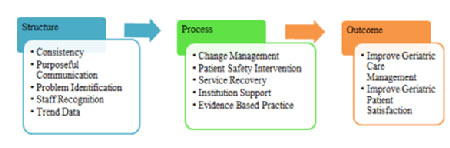 Figure 1. Nursing Leader Round Model in Geriatric service
Nursing Leader Round model allows the concepts of identification related to clear structure mapping by identifying the teams involved, the place and time of implementation. This model allows the structure to identify the tools need and infrastructure in geriatric patient care. The above process describes the parts of the service that must be improved. The ongoing process touches all aspects of service management. The final result of the ongoing process is service improvement and increased satisfaction from geriatric patients.
Nursing Leader Round which is carried out with a consistent structured can help to reduce the number of errors in the service of geriatric patients. This paradigm shift in the provision of nursing services using the Nursing Leader Round concept had a significant impact on clinical services. Effective leadership in nursing services not only on the managerial system but also the interactions between nurse leaders and patients, especially geriatric patients will reduce the proportion of morbidity and mortality. Patient services are becoming more controlled, communication regarding to services is also clearer.
Geriatric care arising because the service supported by the Nursing Leader Round was able to increase collaboration among care giver professionals. The nurse leader can also directly examine the cognitive conditions of both the geriatric patient and the patient's family. The description of cognitive conditions that can be captured directly by the leadership of nursing become basic preparation of service methods that will be provided. The supervisor function of the nurse leader also becomes more optimal. This can reduce the number of complaints from patients and families. And increase positive relations and trust in the services provided.
On one side, we are offered to solutive concept to improve specific nursing services for geriatric patients who have more complex needs than patients in other age ranges. The other side nurse leader are quite busy managing administrative matters related to managerial roles. This is a very potential challenge that makes nursing leaders difficult to be able to activate directly with patients. While as a nursing leader must be responsible for managing nursing care as well. This article is expected to be a spirit in the hospital.
Figure 1. Nursing Leader Round Model in Geriatric service
Nursing Leader Round model allows the concepts of identification related to clear structure mapping by identifying the teams involved, the place and time of implementation. This model allows the structure to identify the tools need and infrastructure in geriatric patient care. The above process describes the parts of the service that must be improved. The ongoing process touches all aspects of service management. The final result of the ongoing process is service improvement and increased satisfaction from geriatric patients.
Nursing Leader Round which is carried out with a consistent structured can help to reduce the number of errors in the service of geriatric patients. This paradigm shift in the provision of nursing services using the Nursing Leader Round concept had a significant impact on clinical services. Effective leadership in nursing services not only on the managerial system but also the interactions between nurse leaders and patients, especially geriatric patients will reduce the proportion of morbidity and mortality. Patient services are becoming more controlled, communication regarding to services is also clearer.
Geriatric care arising because the service supported by the Nursing Leader Round was able to increase collaboration among care giver professionals. The nurse leader can also directly examine the cognitive conditions of both the geriatric patient and the patient's family. The description of cognitive conditions that can be captured directly by the leadership of nursing become basic preparation of service methods that will be provided. The supervisor function of the nurse leader also becomes more optimal. This can reduce the number of complaints from patients and families. And increase positive relations and trust in the services provided.
On one side, we are offered to solutive concept to improve specific nursing services for geriatric patients who have more complex needs than patients in other age ranges. The other side nurse leader are quite busy managing administrative matters related to managerial roles. This is a very potential challenge that makes nursing leaders difficult to be able to activate directly with patients. While as a nursing leader must be responsible for managing nursing care as well. This article is expected to be a spirit in the hospital.The articles from these contributors are based on their personal expertise and viewpoints, and do not necessarily reflect the opinions of their employers or affiliated organizations.
